
Picture two hypothetical travelers. Maya takes two trips a year, one road trip and one flight to see family, and charges about $1,500 a month on a card. She wants rewards that cover part of those trips without learning a points system. Daniel flies every few weeks, chases business-class upgrades and already holds two premium cards.
The Bank of America Travel Rewards credit card is built for Maya. For Daniel it would sit in a drawer. That split explains almost everything about this card: it is a simple, fee-free earner that turns everyday spending into credit against travel and dining, with an extra boost for people who already bank with Bank of America.
JustMobs rating: 3.9/5.
At a glance
| Feature | Details (as of 2026) |
|---|---|
| Annual fee | $0 |
| Earning rate | 1.5 points per $1 on all purchases, no cap |
| Welcome offer | 25,000 online bonus points after $1,000 in purchases in the first 90 days ($250 value) |
| Intro APR | 0% for 15 billing cycles on purchases; also on balance transfers made in the first 60 days |
| Regular APR | 17.74% to 27.74% variable |
| Balance transfer fee | 3% for the first 60 days, then 5% |
| Foreign transaction fee | None |
| Relationship bonus | 10% to 75% more points through BofA Rewards, depending on tier |
Figures come from Bank of America’s official card page and can change, including the welcome offer.
How the points work
Every purchase earns 1.5 points per dollar. There are no categories to track and no spending cap. Points don’t expire while your account is open.
To redeem, you apply points as a statement credit against eligible travel and dining purchases already on your card: flights, hotels, vacation rentals, baggage fees and restaurants, including takeout. You book wherever you like, then erase the charge. There are no blackout dates and no portal to use. Based on the $250 value Bank of America assigns to the 25,000-point bonus, each point is worth one cent when used this way, so the base rate works out to 1.5% back on travel and dining.
That simplicity is the selling point. You won’t find airline transfer partners or sweet-spot award charts. You also won’t lose value because you booked the “wrong” way.
Running the numbers for Maya
Using our hypothetical example: Maya charges $18,000 a year. At 1.5 points per dollar she earns 27,000 points, worth $270 in travel or dining credit. Add the welcome bonus in year one and she is at $520 in value, all without paying a fee. That covers a decent chunk of a domestic flight and a couple of road-trip hotel nights.
The BofA Rewards boost
This card gets more interesting if you keep money with Bank of America or Merrill. In May 2026 the bank replaced its Preferred Rewards program with BofA Rewards, which adds a bonus on every credit card purchase based on your combined balances. According to the program’s published tiers as of 2026:
- Member (no minimum balance): 10% bonus, or 1.65 points per dollar.
- Preferred Plus ($30,000 to under $100,000): 25% bonus, or 1.875 points per dollar.
- Preferred Honors ($100,000 to under $1 million): 50% bonus, or 2.25 points per dollar.
- Premier ($1 million or more): 75% bonus, or 2.625 points per dollar.
Tiers are based on average combined balances in qualifying Bank of America deposit accounts and Merrill investment accounts. Members who enrolled under the old program may keep their previous bonus for a transition period, so check your own account for the exact terms. Running Maya’s $18,000 through the Preferred Honors tier would produce 40,500 points, or $405 a year, which is competitive with many travel cards that charge a fee.
Where it falls short
Without the relationship bonus, 1.5% back on travel and dining is ordinary. Plenty of no-fee cards now pay a flat 2% in cash, which you can spend on anything, travel included. The redemption restriction is also real: points are designed to offset travel and dining charges, so if you go months without either, your rewards sit idle.
The card also carries few travel protections compared with cards built for frequent flyers. There are no lounge visits, no travel credits and no elite status perks. That is fine for its price, but it means the card is about earning, not about making the trip itself smoother.
How it compares
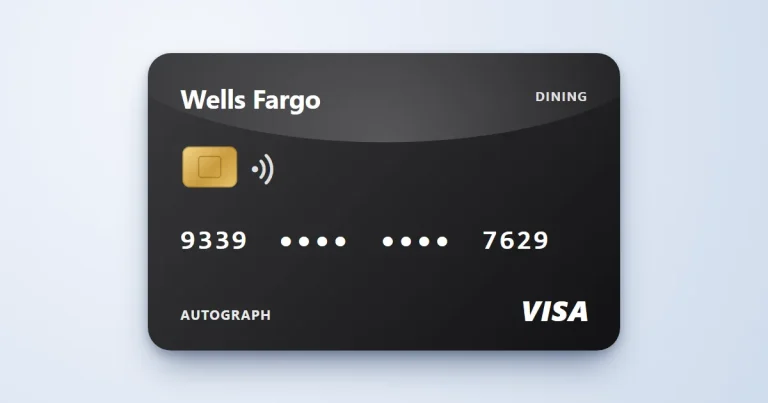
The Wells Fargo Autograph is a stronger choice for anyone whose spending leans on restaurants, gas, transit and travel, since it pays 3X in those categories with no annual fee and no foreign transaction fee. The Bank of America card only beats it when a large share of your spending falls outside those categories, or when your BofA Rewards tier pushes the flat rate above 2 points per dollar.
At the other end, a premium card such as the Capital One Venture X offers lounge access, transfer partners and annual credits, but it charges a significant annual fee. Daniel, our frequent flyer, would get far more from that kind of card.
The intro APR deserves a mention too. Fifteen billing cycles at 0% on new purchases, plus the option to move a balance in the first 60 days, is generous for a rewards card. Paying a 3% fee to transfer debt still costs money, though, so only use it if you have a realistic payoff plan. The CFPB’s credit card guide is a good primer on how intro rates and transfer fees work.
Who should skip it
- Frequent flyers chasing premium travel. No transfer partners, no lounges, no airline perks. A dedicated travel card will return more.
- People with no Bank of America relationship who don’t travel much. A flat 2% cash back card beats 1.5% restricted to travel and dining.
- Anyone who rarely eats out or books trips. If points can’t find a qualifying charge, they don’t help you.
- Big spenders in specific categories. Category cards pay 3% to 5% where you spend the most.
On the other hand, if you travel a few times a year, want a card with no foreign transaction fee for those trips, and already hold meaningful balances at Bank of America or Merrill, this card earns its place. Confirm current terms on the official Bank of America Travel Rewards page before applying, since offers and rates can change.